Piano Moving Checklist: What You Need to Know | G&T Moving Blog
Pianos are heavy, sensitive, and awkward to move. A successful piano move depends on access, protection, and the right handling equipment.
Before booking, it helps to review the pickup and drop-off conditions so the moving plan matches the real site.
Key Takeaways
- Measure stairs, hallways, and elevator interiors.
- Share piano type and approximate dimensions early.
- Parking distance and access restrictions affect labor and pricing.
- A staircase with a turn in it is a three-mover job, not a two-mover job.
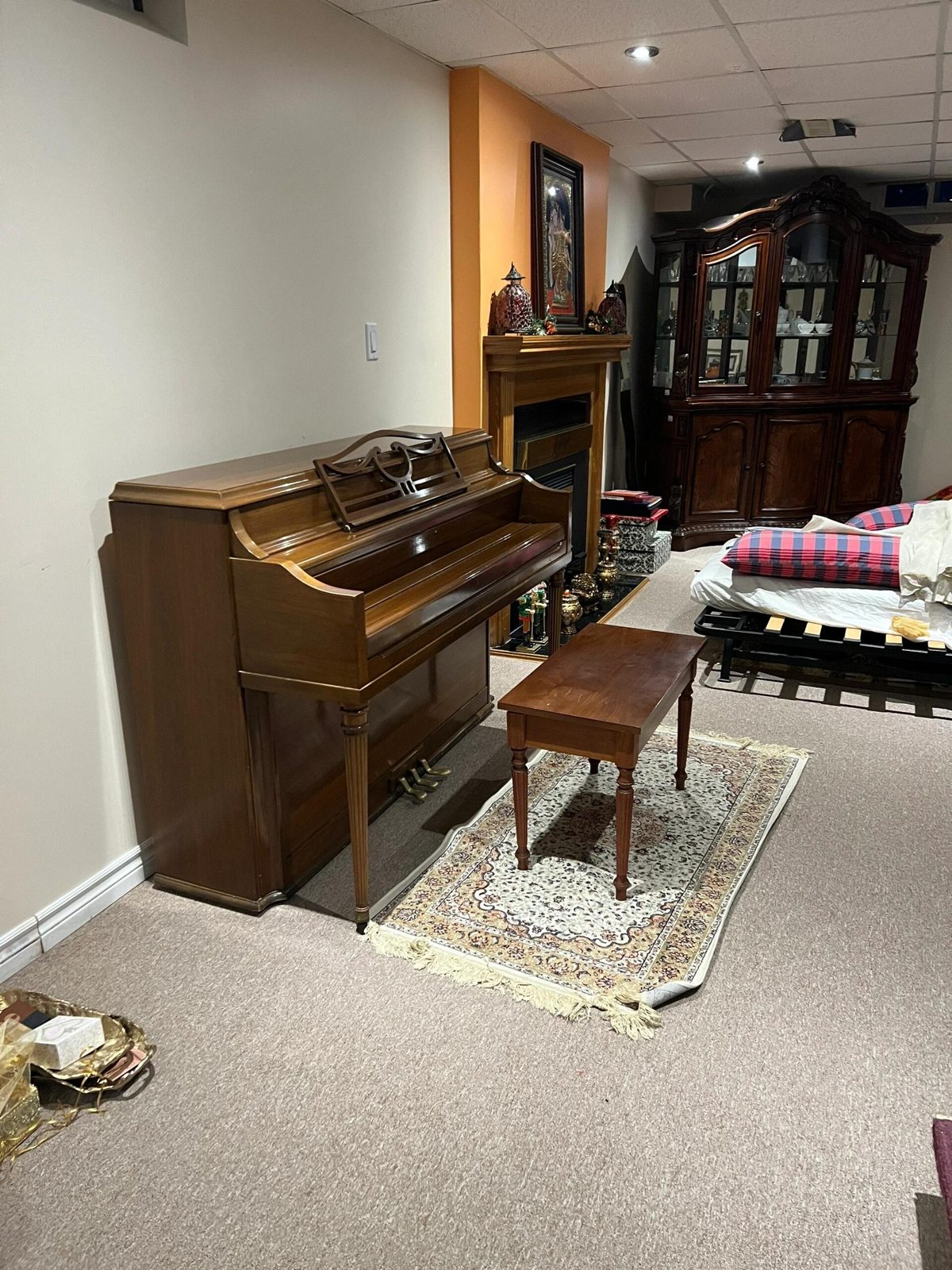
A Basement Piano Move, Start to Finish
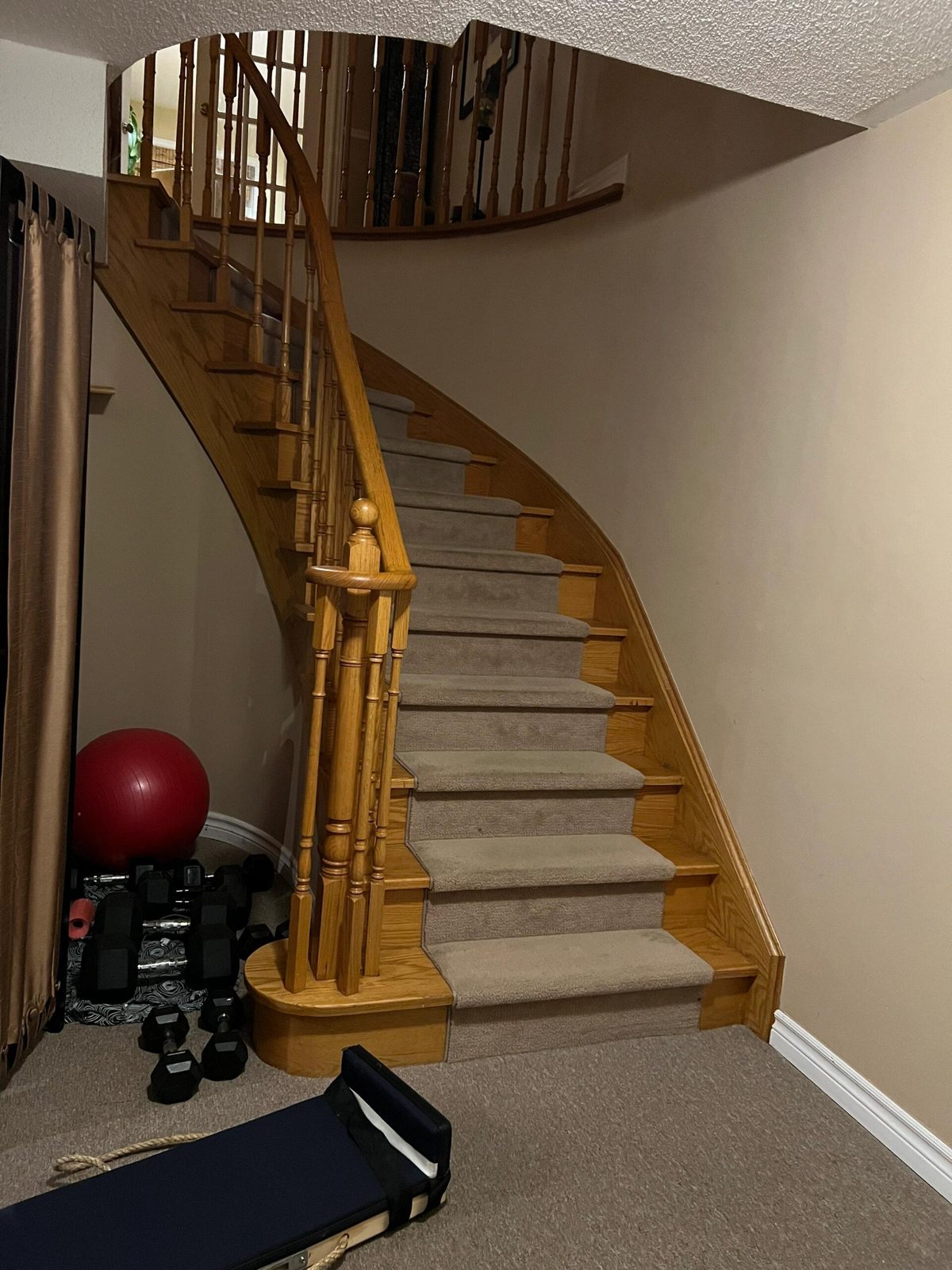
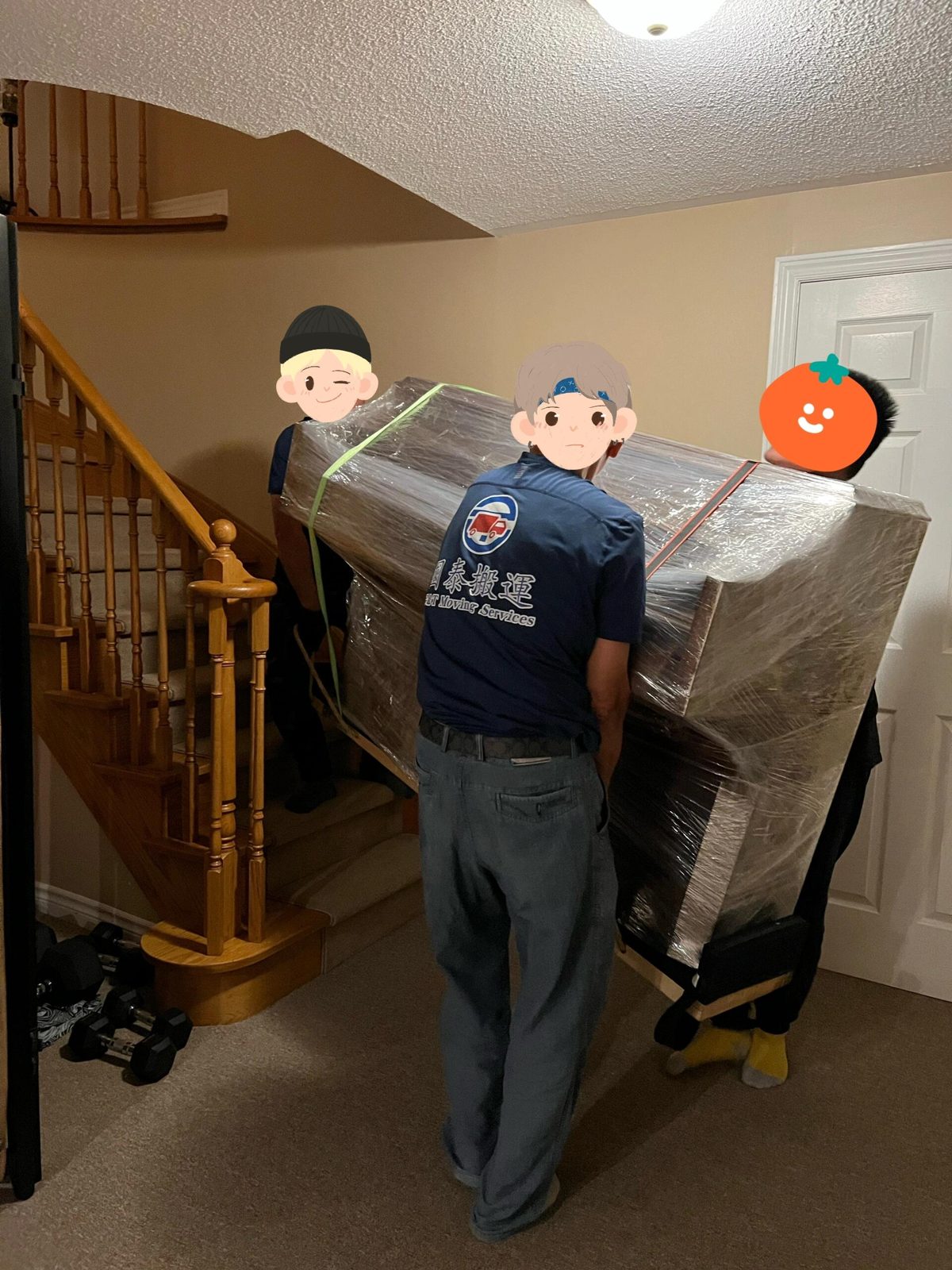
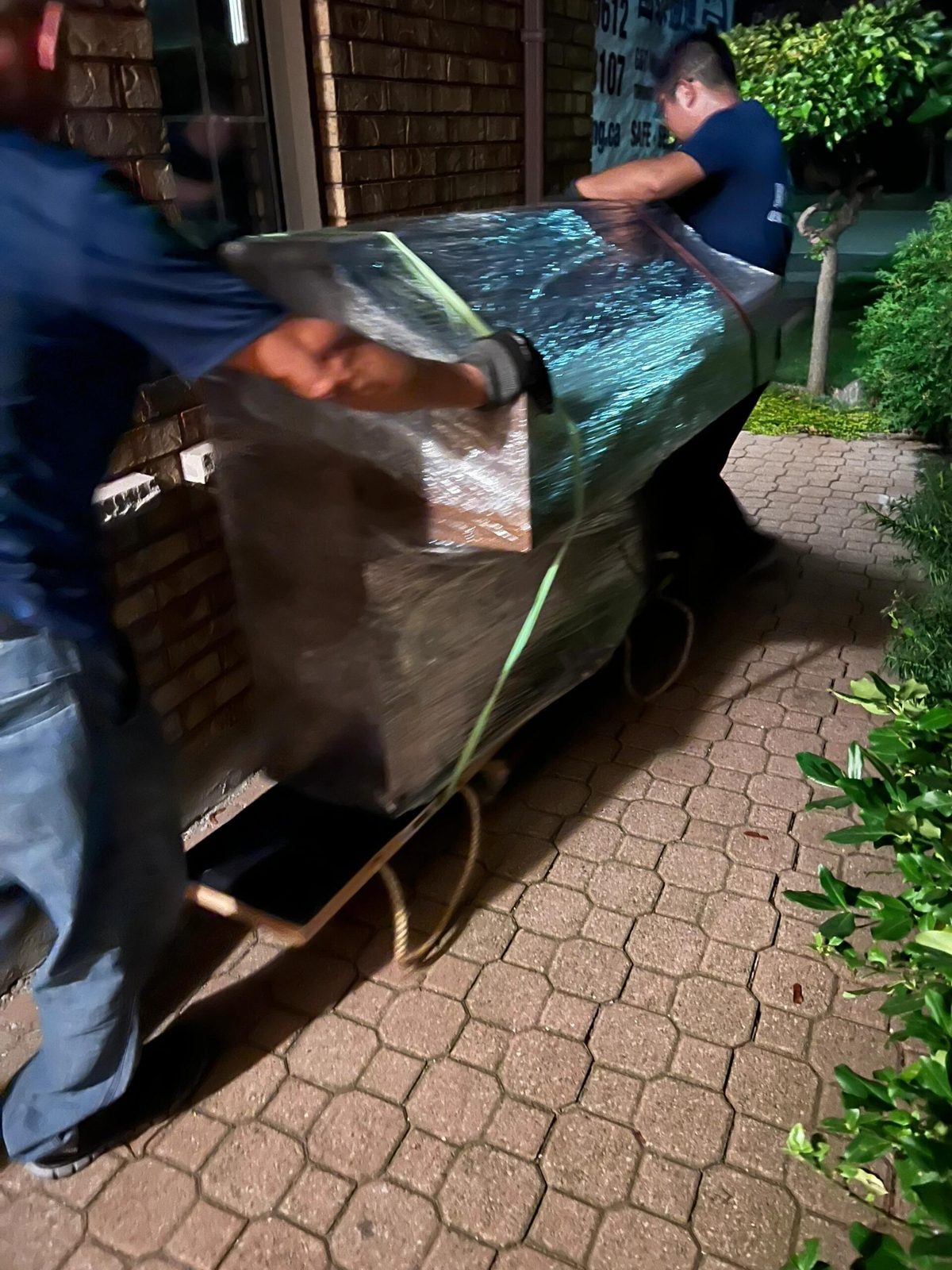
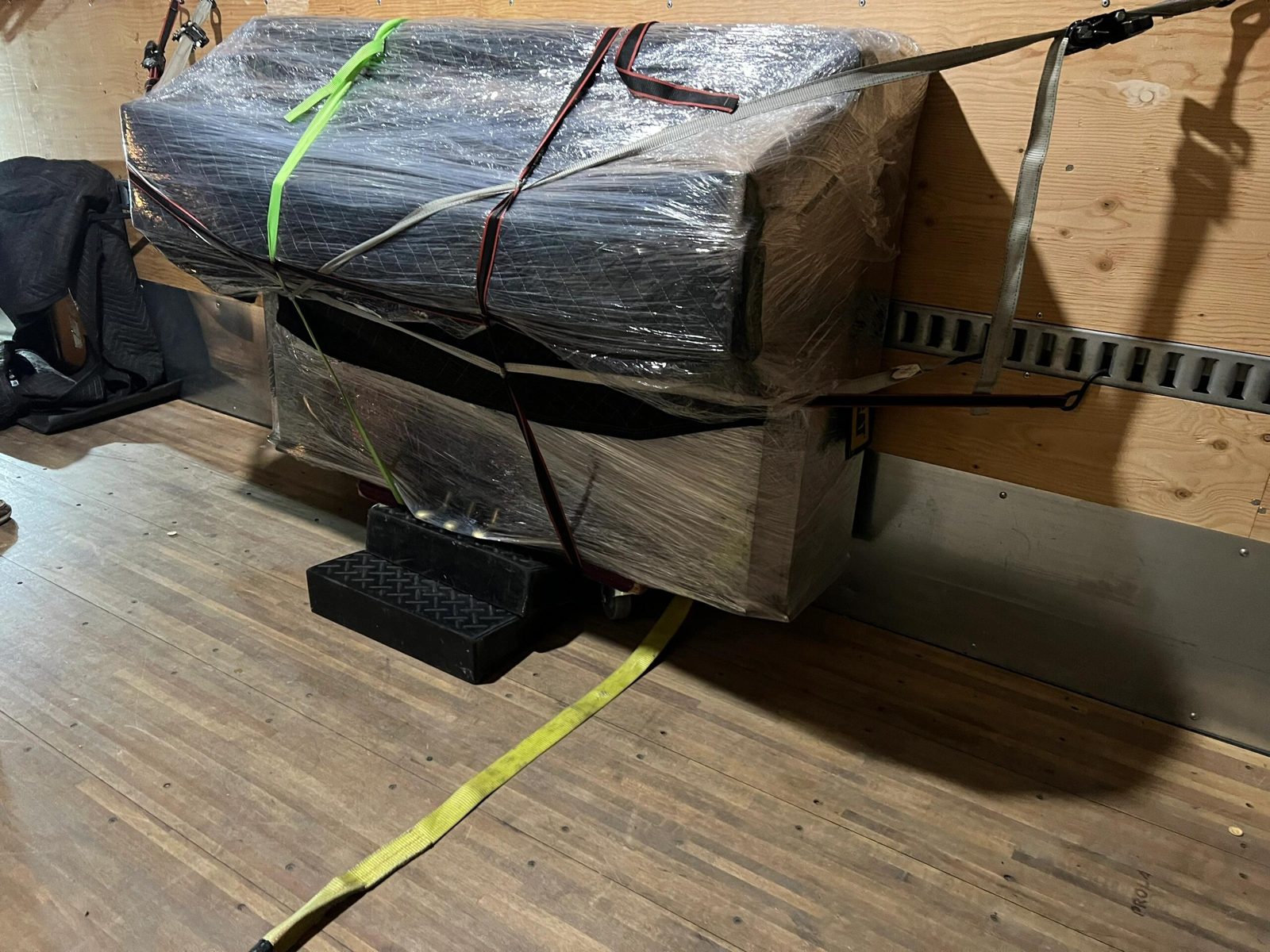
The same upright piano at five points in the job. Note the staircase in the second photo — curved, carpeted, and too tight for a dolly, which is exactly why three movers were on it.
Know the piano type
Upright pianos, baby grands, and larger grand pianos each require different handling plans and sometimes partial disassembly.
Check access at both locations
The most common delays come from tight corners, narrow stair landings, elevator limits, and parking distance from the entrance.
Count the movers by the staircase, not the piano
An upright piano in a two-storey townhouse with a turn part-way up the staircase needs three movers. With two, the instrument has to be pivoted at the corner, and that pivot is where railings, drywall, and the piano case all take damage. A third mover controls the piece through the turn instead of forcing it.
The same piano on a straight-run staircase, or moving between ground floors, is a different job with a different crew. Tell us which staircase you have when you request the quote — it is the detail that decides the plan.
Protect the route and the instrument
Floor protection, blankets, straps, and piano boards help prevent both property damage and instrument damage.
Testimonials
Real customer reviews
If you are planning a move, piano job, or heavy-item delivery, these reviews give a better sense of the real service experience.
“We moved a four-bedroom home from Toronto to Ottawa, including a piano, and everything arrived safely. The crew was professional, punctual, careful, and made the whole move feel far less stressful.”
Jackson G.
Long-distance house move with piano
“The team arrived on time, worked efficiently, handled our belongings with care, and kept communication clear from start to finish. The whole process was smooth and stress-free.”
Yaya H.
Smooth and efficient moving day
“They worked efficiently without wasting time, had a great attitude, and offered a very reasonable price.”
Wendy X.
Fast service with fair pricing